info@bloomindesigns.com

Imagine More Perennials Than You Can Imagine, Delivered To You - Free
Shop by Category
Shop by Brand
Shop by Brand
Hemerocallis
Easy-Care, Drought-Tolerant, Vibrant Colors
- Effortless Beauty: Daylilies are renowned for their vibrant, trumpet-shaped flowers and easy-going nature. They are the perfect choice for both beginner and experienced gardeners.
- Long Blooming Season: While individual flowers last only a day (hence the name), each plant produces numerous buds, providing a succession of blooms for weeks, and many varieties rebloom throughout the summer and even into fall.
- Stunning Variety: Available in a breathtaking array of colors, sizes, and flower forms. From classic yellows and oranges to vibrant reds, pinks, purples, and near-whites, there is a daylily to suit every taste. Choose from single, double, spider, and ruffled flower forms.
- Low Maintenance: Daylilies are incredibly adaptable and require minimal care once established. They are drought-tolerant, pest-resistant, and generally unfussy about soil conditions.
- Versatile in the Landscape: Perfect for borders, mass plantings, containers, slopes, and even erosion control. Their arching foliage adds texture and interest even when not in bloom.
- Attracts Pollinators: Butterflies and hummingbirds are drawn to their colorful blooms.
- Exceptional Value: Daylilies are long-lived perennials that multiply over time, providing years of beauty and the opportunity to divide and expand your planting.
- Reblooming: Many modern cultivars are rebloomers, offering multiple flushes of flowers throughout the growing season.
- Fragrant: Some varieties have delightfully fragrant blooms.
- Edible Flowers: Daylily buds and flowers are edible, adding a unique touch to salads and other dishes (though always confirm edibility for the specific variety).
Site Selection:
- Sunlight: Daylilies thrive in full sun (at least 6 hours of direct sunlight per day) for best flowering. They can tolerate partial shade (4-6 hours of sun), but bloom production may be reduced. Note: Darker-colored varieties (deep reds, purples) often benefit from some afternoon shade in very hot climates to prevent color fading.
- Soil: Daylilies are adaptable to a wide range of soil types, including clay, loam, and sandy soils. However, they perform best in well-drained soil that is moderately fertile. Amend heavy clay or very sandy soils with compost or other organic matter before planting to improve drainage and fertility.
- Spacing: Space plants 18-24 inches apart, depending on the mature size of the variety. Allow for good air circulation.
Planting:
- Timing: Plant daylilies in spring or early fall. Spring planting is generally preferred in colder climates; fall planting is suitable in milder regions.
- Depth:
- Bare-root plants: Plant the crown (where the roots meet the foliage) no deeper than 1 inch below the soil surface. Create a small mound of soil in the center of the planting hole, spread the roots over the mound, and backfill with soil.
- Container-grown plants: Plant at the same depth they were growing in the container.
- Watering: Water thoroughly after planting to settle the soil around the roots.
Ongoing Care:
- Watering: Water regularly during the first growing season to establish a strong root system. Once established, daylilies are quite drought-tolerant, but benefit from supplemental watering during prolonged dry periods, especially during bud formation and flowering. Avoid overhead watering, which can promote fungal diseases.
- Fertilizing: Daylilies are not heavy feeders. A light application of a balanced, slow-release fertilizer in early spring is generally sufficient. Avoid over-fertilizing, which can lead to excessive foliage growth at the expense of flowers. A soil test can help determine if any specific nutrient deficiencies need to be addressed.
- Mulching: Apply a 2–3-inch layer of organic mulch (such as shredded bark, wood chips, or compost) around the plants to conserve moisture, suppress weeds, and regulate soil temperature.
- Deadheading: Remove spent flowers (and the entire scape, or flower stalk, after all buds have opened) to encourage reblooming (if applicable) and improve the plant's appearance. This prevents the plant from putting energy into seed production.
- Division: Daylilies benefit from division every 3-5 years, or when clumps become overcrowded and flowering declines. The best time to divide is in early spring or immediately after flowering. Carefully dig up the clump, separate it into smaller divisions (each with several fans of leaves and healthy roots), and replant.
- Winter Care: In most climates, daylilies require no special winter protection. After the foliage dies back in the fall, you can cut it back to the ground (optional). In very cold climates (Zone 3 and colder), a layer of mulch can provide extra insulation.
- Pest and Diseases:
- Daylilies are relatively resistant to pests and diseases.
- Spider mites and thrips may occasionally be a problem; treat with insecticidal soap or horticultural oil.
- Fungal diseases are more likely in wet, humid conditions; ensure good air circulation and avoid overhead watering.
- Daylily rust is a fungal disease that can cause orange pustules on the leaves. Remove affected foliage and consider using a fungicide if the problem is severe.
With their stunning blooms, easy care, and long-lasting beauty, daylilies are a rewarding addition to any garden. Plant them today and enjoy years of vibrant color!
Hemerocallis (hem-er-oh-kal-iss) is from the Greek words hemero "one day" and callis meaning "beauty", but new buds keep daylilies in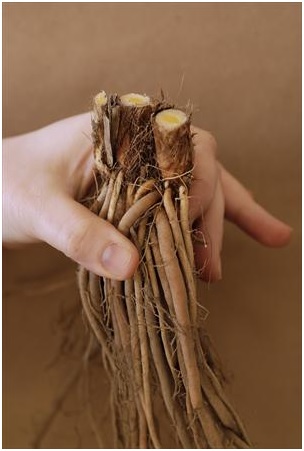 bloom for weeks, and some are classified as Reblooming Daylilies.
One of the most popular, hardy and varied perennials, with persistence and durability, plants perform in full sun to partial shade.
Daylilies are some of the easiest perennials to grow and are a good choice for any gardener, from the beginner to the professional. These are tough, adaptable plants that will grow in any soil, from normal to slightly wet to dry.
Bare root (BR) plants are mature, field-grown plant clumps that may bloom the first year. Hemerocallis / daylily 1 to 3 fan divisions would typically fit into a 1 or 2-gallon container. For more daylily information, check out Growing Daylilies and Hemerocallis/Daylilies